

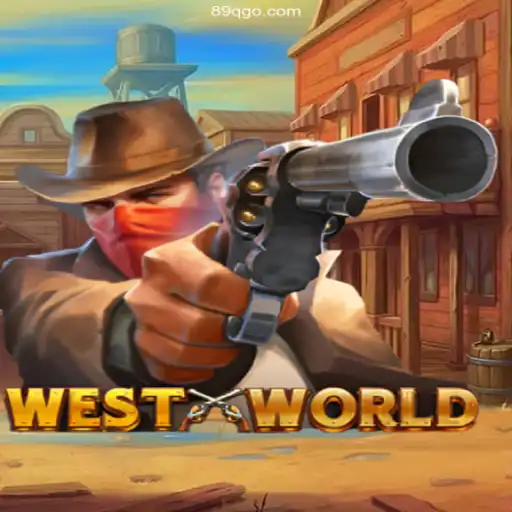
The Intriguing Universe of WestWorld
WestWorld stands as a testament to how creative storytelling and immersive gameplay can transform a simple game into a cultural phenomenon. As players step into this world, they are greeted with a rich narrative that challenges them to navigate complex scenarios, all while unraveling the mysteries embedded within the game’s sprawling landscapes.
A Brief Introduction to WestWorld
The game WestWorld, inspired by the popular TV series, offers players an opportunity to indulge in a realm where the line between reality and fantastical adventure blurs. From its inception, WestWorld captivated audiences by bringing the wild west’s grit and grandeur into a digital format. The game provides a platform for players to assume roles, make critical decisions, and engage in dynamic interactions that influence the narrative’s outcome.
Set in a meticulously crafted universe, WestWorld invites players to explore its vast territories. The game's design reflects the intricate detailing and rich storytelling elements that were hallmarks of its source material. Through interactive missions and complex character arcs, players find themselves not only engaged in a game but also part of an evolving story that reacts to their choices.
Understanding the Rules of WestWorld
Central to WestWorld's immersive experience are its well-defined rules that govern player interactions and story progression. As a role-playing game, players must navigate various challenges and make strategic decisions to progress. However, unlike traditional games, WestWorld emphasizes player agency, where every choice has a consequence, and each decision unfolds a new layer of narrative depth.
Players start by choosing a character, each with unique abilities and backstories that align with the game's overarching narrative. The game operates on a decision-based mechanic, leveraging an open-world concept. This means that while players can follow the main storyline, they also have the liberty to engage in side quests that offer additional context and depth to their character’s journey.
A distinct aspect of WestWorld is its use of realistic time progression and environmental changes. Time in the game mirrors real-time, making strategic planning essential. Weather patterns and day-night cycles also play significant roles, affecting gameplay and influencing how characters interact within the game world.
Current Events and WestWorld’s Impact
In the current era, where digital experiences dominate entertainment, games like WestWorld find themselves at the forefront of cultural discourse. Gaming trends in 2023 show an increasing tilt towards immersive storytelling and gameplay experiences, aligning well with what WestWorld offers. Its ability to merge traditional gaming elements with new-age storytelling allows it to remain relevant amidst evolving gaming preferences.
In Brazil, platforms like 89Q.COM⭐️ A Melhor Plataforma de Apostas no Brasil have also acknowledged the potential of games like WestWorld in engaging audiences. The cross-pollination of gaming and other contemporary forms of entertainment reflects a growing synergy that enhances overall user experience, appealing to a broader demographic.
The Future of WestWorld
As technology continues to advance, games such as WestWorld are poised to leverage cutting-edge innovations to provide an even more immersive experience. From virtual reality enhancements to AI-driven narratives that offer unparalleled player engagement, the future of WestWorld looks promising.
The game’s ability to adapt and the developers' commitment to expanding its universe through regular updates and community engagement initiatives highlight its resilience in the ever-competitive gaming industry. Thus, WestWorld not only represents a journey into an adventurous world but also signifies an evolution in how stories are told and experienced within the digital realm.